



Posts tagged “Analytics”

 
When it comes to social media marketing, your analytics are one of the key things you need to be keeping an eye out for. They’ll tell you how well your business is performing, where you could be improving and in what areas you should be building on when it comes to your businesses content. 
 
Two things that are important to understand when it comes to your analytics are vanity metrics and actionable metrics. You may have come across these terms before but don’t quite know what they mean, or you may be new to the terms completely. No matter your understanding of the terms, this blog should explain them both to you – so you know exactly what too look out for when it comes to monitoring your metrics. 

What Are Vanity Metrics? 

Vanity metrics might look impressive, but they’re not what you should be using to craft your entire marketing strategy. 
Often, these metrics – follower count, likes, comments shares, they all give the impression that you’re doing well and growing on social media, and they look good to others who come across your account, but they shouldn’t be the key in what defines your business when it comes to your social media marketing. 
 
Whilst you may have a lot of likes, how many of those people are buying from you? How many followers become an engaged customer? How much revenue are you making from your social media marketing? How many referrals are you getting from your socials? Vanity metrics don’t come with context, whereas actionable metrics do. 

What Are Actionable Metrics? 

Actionable metrics are the ones that help to point you towards what is and isn’t working when it comes to your social media marketing. They’re metrics that are linked to getting specific results – for example, if you’re running an A/B test for ads you’re looking for the one that gets the best click through rate, or has the lowest cost per click, or is bringing in the most revenue. It’s data that gives you the opportunity to scale up your marketing efforts and hone in on the areas that are the most successful for you at that current point in time. 

If Actionable Metrics Are Better For Your Marketing – Why Do People Lean Towards Vanity Metrics Instead? 

To put it simply, vanity metrics are just a bit more exciting. Seeing hundreds or thousands of views, likes, followers etc. on your posts can make you feel like what you’re doing is working – and it could be, as long as it’s also aligning alongside your actionable metrics. 
 
When marketers focus solely on their vanity metrics, they’re missing out on the actual metrics that matter. Chances are you’re marketing to sell, so not having any idea of whether your engagement is converting into sales isn’t a great position to be in – which is why you have to know exactly what metrics you want to be tracking. 

How To Decide Which Metrics To Track 

The most important thing that you need to consider are your social media marketing goals. Whether you’re looking to build up brand awareness or sell more items through social media, you need to think about what actionable metrics could help you achieve this. You can decide to measure your goals by seeing whether you’ve had an increase in visitors to your site or if people are clicking through and making a purchase after seeing your post or ad. Your vanity metrics can also be tracked here too – brand awareness can also come down to followers and engagement – but this shouldn’t form the basis or be the main focus of your marketing reports. Its good information to have on hand, but shouldn’t shape your performance when it comes to your goals – a steady increase in followers and a steady increase in site visitors can go hand in hand, but remember where your main focus lies. 
Vanity Metrics and Actionable Metrics are both influential, but you must have a good idea of what you really want to achieve from your marketing before tracking either. Remember, actionable metrics are what you really need to be focusing on, but don’t ignore your vanity metrics completely – they can both work alongside one another when measured correctly. 
 
The 2020s has seen a huge increase in the development and usage of AI – and in 2025, the majority of social media platforms and search engines, especially Google, have made sure to implement AI features in some way. 
 
But is AI the way forward for digital marketing? Whilst there are benefits to the AI boom, there’s also concerns about the impacts it will have on digital industries, as well as ethical and environmental issues that may arise. 
 
In this blog, we’ll look at the pros, cons and future of AI in the world of digital marketing. 

Pros Of AI In Digital Marketing 

Predictive Analytics: AI can have valuable impacts on your analytics, by predicting future outcomes of campaigns by collecting and analysing your current data quickly. It will allow you to make faster, better decisions about the content you’re creating and boost your response to future trends. 
Time-Saving: Starting with the pros, AI can be a time saver for businesses who are looking to post on social media but don’t have enough hours in the day to sit down and create content themselves. Whilst there are drawbacks to this (which we’ll get to later), AI can provide a helping hand to those who want to create a digital presence online quickly. Giving some information about your business and style of post to an AI system such as ChatGPT will help it to create a post that’s relatively branded to your business’ message – and can speed up the launch of your campaigns. 
 
Customer Experience: AI Chat Functions allows your audience to get instant answers 24/7 to frequently asked queries, but also with a chance to provide human interaction if it’s still required towards the end. On Meta platforms, simply set up Business AI in Meta Business Suite, select which topics you want AI to help with, connect your business portfolio and set up AI. You can then add further recommended information to make responses more accurate – when using Messenger, you can view and manage AI chats in your inbox in Meta Business Suite, and will be able to see when an AI chat is happening as it will be labelled as AI active. Messages will also be labelled as "Generated by AI". 
 
Ad Campaigns: Struggling with Ads? Sites like Facebook offer something called Advantage+, which is made to ‘improve efficiency’ and help you reach your business goals by applying AI across your campaigns. Whilst this can be helpful for businesses looking to quickly put out an ad campaign, it can have it’s set backs if you’re not familiar with how to use it alongside human-created campaigns. 

Cons With AI In Digital Marketing 

Personalisation: Whilst AI can be great for creating content, it also removes authenticity and personalisation – which can get you lost in a sea of other businesses using the same AI methods to create their content. Being able to produce content yourself, whether you do it in house or outsource it, can help you stand out from the crowd and attract an audience who are looking for a business that genuinely is talking to them, understanding their needs and helping to provide a solution to a problem that they’re having. Adding a little human emotion can aid in making content feel less generic, and can be the thing that hooks in an audience member, rather than leaving them scrolling on by. AI driven content can save time, but that doesn’t always mean it’s the best available option. 
 
Ad Campaigns: We’ve spoken about the pros of using AI in ad campaigns, but what are the cons? Well, ad-campaigns have been able to be successful prior to the roll out of AI applied systems and sometimes, these systems may not get things 100% correct. You should know your audience demographics the best, and if you already have a content style that matches with your business’ branding then you shouldn’t need to use AI at all, or too much, when you’re creating an Ad. There’s also the ethical concern of trust – when it comes to your ad creative, you need to ensure that your graphics and accompanying text represents your business 100% truthfully, and makes no false claims or shows no false or enhanced products. Your audience need to be able to trust that what they’re being sold is the real deal. 
 
Brand Voice: Heavy reliance on AI for your content can dilute your brand voice – making you fall behind other businesses in your industry. What makes you different? What makes you stand out? Your brand voice can help to assert this to your audience, giving your content a unique style and personality in a highly competitive digital landscape. 
 
Environmental Concerns: People are becoming more environmentally conscious – and AI systems use a lot of energy and creates electronic waste, which can have significant impacts on the environment. Sustainability has risen in recent years, with PwC research finding four fifths or people are willing to pay more for sustainable goods – so, if your products are sustainable, using AI can directly go against potential practices that your pride your business’ products or services upon. 
AI isn’t going anywhere anytime soon, and as more and more platforms begin to introduce it into daily social media habits, creation and searches, it can be difficult to avoid it altogether. Whether you fully lean into using AI, decide against it completely or want to find a happy medium – there is a role for it building in the digital marketing space, but where it will end up is yet to be seen in the future. 
 
Social media is an essential part of marketing for businesses, allowing them to directly contact their customers and showcase their services or products, values and personality. 
 
However, it’s easy to make mistakes that hinder growth and engagement. Whilst there are many things that you need to keep in mind before you start your social media marketing, these are some of the most important to be aware of. Here’s how you can avoid these top 5 mistakes and create a winning social media strategy. 

Ignoring Analytics 

Mistake: Many businesses will put a lot of time and effort inro creating and posting content, but fail to analyse their results to see how this content is performing. Ignoring your analytics, or being unable to find space in your day to monitor them means you miss insights that could help to improve your future campaigns. 
Solution: Regularly reviewing your analytics on each platform, paying attention to key metrics like your engagement, reach, click—through-rate, cost-per-click and follower growth help you identify what content is resonating with members of your audience, which areas require improvement and when the best time to post is. Outsourcing your social media, or using third-party tools can help if you don’t have time to do these yourself. 

Inconsistency 

Mistake: If you don’t have a posting schedule, and do things on a whim or when you have a free minute, it can make your brand look inactive when there’s large gaps between your content. This may result in followers forgetting about your business, or losing interest in future posts. 
 
Solution: Creating a content calendar will help you keep on track with your posting schedule. If you don’t want to log in and post every day, using platforms like Buffer or Hootsuite will let you plan your posts in advance, so they’ll be posted without needing your involvement on the day. You analytics will help you figure out the best time of day to post so you can get the maximum engagement from your audience. 

Over-Promoting 

Mistake: Whilst you can make the mistake of not posting enough, you can also promote your products too much. If all of your post’s focus on selling, your content may begin to be viewed as constant advertising – turning your followers away. 
 
Solution: Create a plan centred around when you post your promotional content, and when you post your value content. Think about customer stories, industry insights, behind the scenes content, more information about your brand, tutorials – something that will keep your followers engaged for the type of business you own. Social media is all about being social, not all about selling. 

Neglecting Engagement 

Mistake: Posting then going silent means you’ll miss out on building communities and loyalty to your business. Neglecting engagent will end up with people no longer commenting, sharing or liking posts as they won't feel acknowledged.  
 
Solution: Make it a habit to respond and interact with your audience, post user-generated content and answer any questions that are asked. Regularly check your messages and try to promptly respond to build brand trust. Your audience need to know you appreciate them which is why staying active is key to crafting a business page that puts your customers at the heart of what you do.  

Ignoring Feedback 

Mistake: Ignoring your feedback means you won’t know how your business is being perceived, or if there are any negative comments you need to clear up, take on board or clarify are false. Even worse than ignoring feedback is responding angrily and informally to bad reviews – so make sure to avoid this too. 
 
Solution: Address your feedback promptly and professionally. Offer solutions, take conversations off line so they can be dealt with privately. Handling complaints, can help to turn these dissatisfied customers into loyal ones if you’re able to get things sorted quickly. Alternatively, acknowledging great reviews can help you encourage more happy customers to leave 5 star reviews and shows your brand to be reliable and trustworthy. 
These mistakes are all rectifiable, and by avoiding them you can grow your business on social media. Even if you slip into any of these habits, making sure you make changes as soon as possible will help to get you back on track with your marketing and returning to your strategy for success. 


Marketing on social media is great – but if you don’t check your analytics and create reports to track them, you won’t know if your marketing efforts are working or if you’re spending time on something that’s wasting money which could be directed elsewhere. 
 
Social Media Reports are more than just listing your numbers – they provide a detailed, visual insight into your performance that can be shared with the relevant teams in your business so they know where to make improvements. 
 
Here’s how you can create a social media report. 

Decide Your Presentation 

Knowing how to present your analytics in a clear and concise way relies on your presentation. Whether you prefer a spreadsheet, power point, word document or memo template, whichever you choose will form the basis for your future reports where you can simply input the data each month or every few weeks as they change. 
 
Having a consistent presentation will help you and your team spot trends and notice when or if things begin to improve or worsen with your marketing efforts. It’ll also help if your business grows and you hand the metrics reports over to another team or hire someone new, as they’ll be able to get to grips with reporting quickly. 

Know What Metrics You’re Reporting 

What is it that you want to track? You must be aware of what matters the most to your company when it comes to your metrics, but if you need some guidance on what you could look at here are some ideas: 
 
Audience Growth – If your goal is to expand your audience, then you need to track the growth of said audience. This metric is one of the core indicators of how well your social media marketing is doing, showing that your content is attracting the audience you set out to gain when you started up on these platforms. 
 
Post Volume – How many times are you posting? There is such thing as over-posting, but there’s also the chance you aren’t posting enough either. This will become clearer when you check your metrics and the engagement on these posts, and can give you indication on when your audience is more likely to be online. Tailoring your content to go out when your audience is about to log on will give you a better chance at appearing higher up on their feeds and capturing their attention straight away. 
 
Post Engagement – Tracking engagement is the main way you can see if your audience likes what you post – comments, shares, clicks and likes are all considered engagement, and helps you know what content is enjoyed by your audience, and what you may need to rethink or remove from your digital marketing strategies. 
 
Clickthrough Rate – When you link off your social media page and to your website or to another page, you need to know how many people are clicking these links. This is especially important if you’re running ads as clicks cost you money, and you want your cost per click to be as low as possible but your clickthrough rate to be high. This also allows you to measure your conversions and work out if you’re getting the best return on investment possible. 
 
Competitor Metrics – You’re in a competitive industry, so make sure you keep an eye on other businesses like yours. You can do analysis from time to time to see if you’re beginning to become a go-to source in your industry and if you begin to rank higher than the competition the more you improve your digital marketing efforts. 

Gather Data 

When you’ve worked out which metrics you’ll be reporting on, you need to get all of this data together. Know where you’ll be finding these analytics and make a note of your sources – link to where you get these analytics from for transparency with your team, allowing them to access these sources if they take on reporting or if they notice any discrepancies with what's within the report. 

Be Visual 

Visual information helps to break up your analytic reports, making data easier to digest and more understandable. Using graphs and charts to display your data also helps with making comparisons to previous reports, and with grasping key insights at a glance. If you want your employees to engage with your reports and use the data effectively when it comes to creating strategies, visual elements are the thing to use. 
Social Media Reports are imperative for taking your business to the next level online, and should be used to improve the way you approach digital marketing as whole. If you want to get your business out there, then creating reports is one of the main steps to ensuring you’re on track, so begin creating your social media reports and discover their power today. 


If you’ve looked into marketing your business on social media, chances are you’ve heard of the terms ‘Impressions’ and ‘Reach’. 
 
If you’ve never come across them before, it may be difficult to know what they both exactly mean, and how important they are to your overall Marketing efforts, but that doesn’t mean you should totally ignore what the numbers are saying. 
 
Here’s more information on reach vs impressions. 
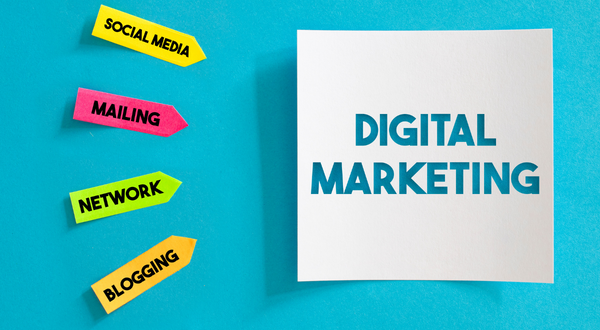


When you set out to market online, you’ll need a detailed, well thought out and considered strategy for your digital marketing. When you have this, you’ll have a way to really fine-tune the elements that are needed to bring your digital marketing to the next level and put your business at the forefront of your industry for social media success. 
 
Here’s how you can create the perfect digital marketing strategy. 


Analytics are an important metric that help you improve your marketing strategy and know exactly how your business is performing on social media. 
 
Your social media analytics allow you to see how well you’re matching up to your business goals, proving your ROI, and aiding with making decisions to increase your business’ performance. 
 
Here is why your analytics are important for your business. 
 
If you’re advertising on social media, then you’ll need to make sure your ad campaigns are working at their maximum potential for your goals. 
 
Optimising your campaign is the first step in ensuring success – if you market to the correct audience, then you’ll be able to draw in customers and increase the success of your business. 
 
Here are some tips you can use to optimise your ad campaigns. 
 
Use Multi-Channel Campaigns 
 
Multi-Channel Campaigns allow you to increase your exposure. By advertising on more than one platform, you can reach more of your audience – research by Business 2 Community found that multi-channel customers will spend 3-4 times more than the average single-channel customer. This means that by increasing your ad reach to more than one channel, you’ll be able to convert more customers and earn more revenue. 


Any business planning on using social media to promote themselves needs to have a social media marketing strategy. 
 
This strategy is what the business and its employees would follow when it comes to social media content and management. Without having a clear and well-thought-out strategy, businesses can run into trouble, and see their social media marketing efforts fail. 
 
Here is how you can create a successful social media marketing strategy. 
 
Know Your Goals 
 
What are you aiming to achieve? Knowing your goals is the first step in creating your strategy. This is what your strategy will be based around, and without knowing your goals you won’t be able to measure your success or return on investment. 


If you’re sending emails to your clients, you’ll want them to open them. However, there are many reasons why your open rate and clickthrough rate is low when it comes to your email marketing, which if optimised, could really provide you with another platform that brings you success. 
 
If you’ve been struggling with your email marketing, then here are some simple tips that can help to improve your open and clickthrough rate. 


Organic Traffic has started to see a decrease on social media due to changes in algorithms, paid promotions and social media SEO keeping your content displayed to a small percentage of your followers until it starts attracting engagement. 
 
This doesn’t mean however that getting organic social media reach is an impossible task for your business, after all, many small businesses can’t prioritise or afford to use paid services to boost their reach and engagement. 
 
Here’s some ways how you can increase your organic social media reach. 


When you create and post your ads on Facebook, your main goal and strategy is usually to convert those who view it into a customer or client of your own. 
 
However, you need to know if your ads are performing so you can gain an insight into how well they’re doing and if anything needs changing. 
 
If you don’t know how to check the performance of your Facebook Ads, here’s what you need to be looking at and reviewing.